Looks Like I’m Resigning Again
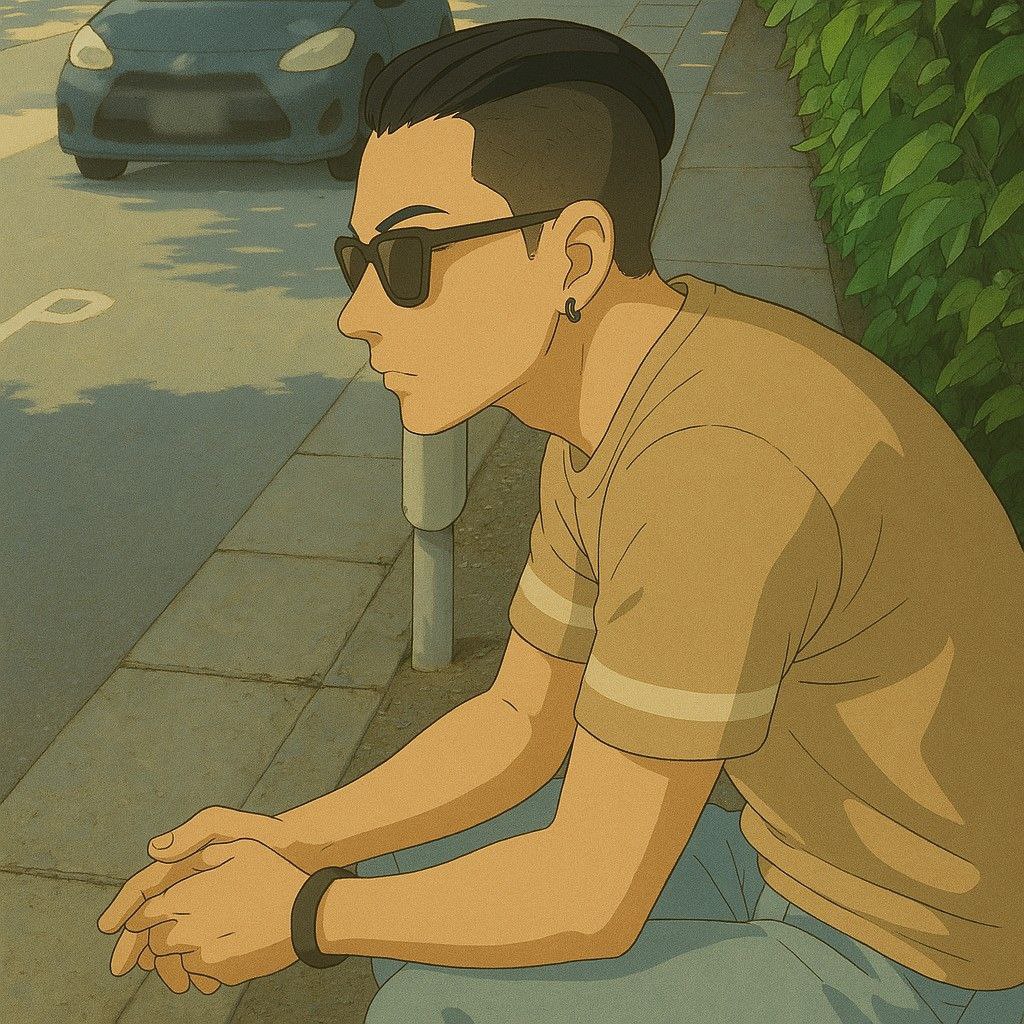
Looks Like I’m Resigning Again
Lately, I have started preparing for a job change a little earlier than I expected. Every time I think about resigning, there is always some kind of trigger. When I looked back over the past, I realized I usually make up my mind the moment I start looking down on my manager. As one of the many hardworking Taiwanese guys who quietly put up with a lot, I am rarely defeated by how hard the work is or how difficult the tasks are. When I feel a task is difficult, I bury myself in learning after work and on weekends. When work feels brutal, I drag myself to the gym early in the morning to build up my tolerance.
My instinct is always to examine myself first. I ask whether I have already done everything I possibly could. And because I used to be a junior manager myself, I know very well that no manager can make everyone happy. The only thing you can really build is trust that grows over time. Your team does not have to like you personally, but they do need to feel safe enough to trust you at work. Once that basic trust collapses, people no longer know what they are fighting for or who they are fighting for. That is when the whole team starts to crack apart. Morale scatters, and the rules stop meaning much of anything.
Because I have been through this kind of situation before, I know I need the ability to turn away gracefully once I hit that line where I start despising my manager. To do that, I need a strategy for uncertain environments, one that minimizes the cost of switching jobs while maximizing long-term career value. If you want the option to leave, there are things you have to prepare long before the day comes.
Running Without Obsessing Over Metrics
From a manager’s perspective, I am not actually against quantified goal-setting. People can never fully understand one another, so you usually need some kind of KPI or OKR framework to align execution. But from a personal perspective, I define a few directions that I keep building in parallel, and they rarely change:
- Work and career
- Romantic relationships
- Health and physique
- Music and the arts
- Writing
The interesting part is that these areas feed one another. When I keep training, I barely feel any dramatic improvement while I am actually in the gym. It is still the same between-set rest where I question my life, the same fatigue, the same soreness. I go home, shower, head to work, and it feels like nothing happened. Just another ordinary day.
Practicing guitar alone is no different. Most of the time, it just feels frustrating. The chord changes are still too slow. I still cannot imitate what my teacher demonstrates. Even after finishing a song, I often do not feel like I have improved much at all.
And yet the payoff from these things shows up in completely different areas of life. A better physique makes me more confident in social settings, which leads to better experiences in dating. Better experiences in dating spark new observations about people and society. Those observations become material for writing. And stronger writing skills come back around and help me negotiate at work, streamline documents, and improve processes. The whole thing turns into a positive flywheel.
What I call “productivity” now is really the smoothness of that positive flywheel. I still break things down into their smallest workable units, but I no longer obsess over the KPI of any single area. As long as the direction is right and the progress bar keeps moving steadily forward, I do not get too hung up on whether the numbers themselves have grown by a certain amount. I used to be the kind of person who packed every hour of the day into a schedule just to feel satisfied. But that kind of planning fills your whole day with the negative feeling of falling short, because in practice it is impossible to execute perfectly. Now I define productivity by how much optionality I can feel in my life. When I can clearly sense that the positive signals in that flywheel are increasing my room to choose, I consider that period of my life productive enough.
Comrades / Friendship
As an INTJ lone wolf, I am very used to handling everything by myself. For a very long time, I planned my goals with the mindset of a solo unit. But one person’s energy is limited, and one person’s expertise is limited. Even in the age of AI, where those boundaries are getting blurrier, it still cannot replace the multiplied leverage that comes from different people stacking their value together.
There has been a pretty clear example of this in my life recently. A former coworker of mine and I both happen to be in the middle of changing jobs. During the process, we ran into the same thing: job hunting makes it incredibly easy to doubt yourself. You look at a job description with more than ten requirements listed, and it starts to feel like missing even one of them means you are not qualified. Even though I have been an interviewer many times myself, and even though I know a senior engineer is never defined by whether or not they have used one specific tool, the moment I become the interviewee again, I still end up going through the same cycle of self-doubt.
I feel genuinely lucky that I have had someone to support me through this transition. On weekends, we meet up to revise our resumes together, exchange information, and recommend good recruiters or tools to each other. When one of us falls into self-doubt or starts thinking about settling for a certain offer, the other steps in and offers support. And that support is not just emotional comfort. It comes from someone who has actually worked with me and can give an objective evaluation based on real experience. Having a friend like that in the middle of a busy life, someone who can keep watch with you and keep you honest, is one of those small blessings that make life better.
The Past Is Over, but Still Worth Revisiting
“Looking back at the bleak place I came from, there is neither wind nor rain nor sunshine.” Many things have already passed, and I have made peace with them. But even so, when I revisit them later, I can still find things I did not notice at the time, things worth thinking about more deeply. That is why I want to build a habit of writing regularly. The writing may not be perfect, and it may not even be that good, but it needs to reflect honestly where I was emotionally at that moment. These fragments can become material for quarterly or yearly reflection. From the future, I can look backward and sort out my blind spots. Which difficulties have I already broken through? Which problems am I still cycling through? That slow trail of thought is like lubricant added during a routine flywheel inspection. It helps me grow, and it helps my mind stay clear. In the end, I guess it is just a matter of regularly sitting down for a drink with my past self and having a conversation. Who knows, maybe I will find something new.